Explore family-friendly attractions
Discovering America's History at the National Ballpark Museum
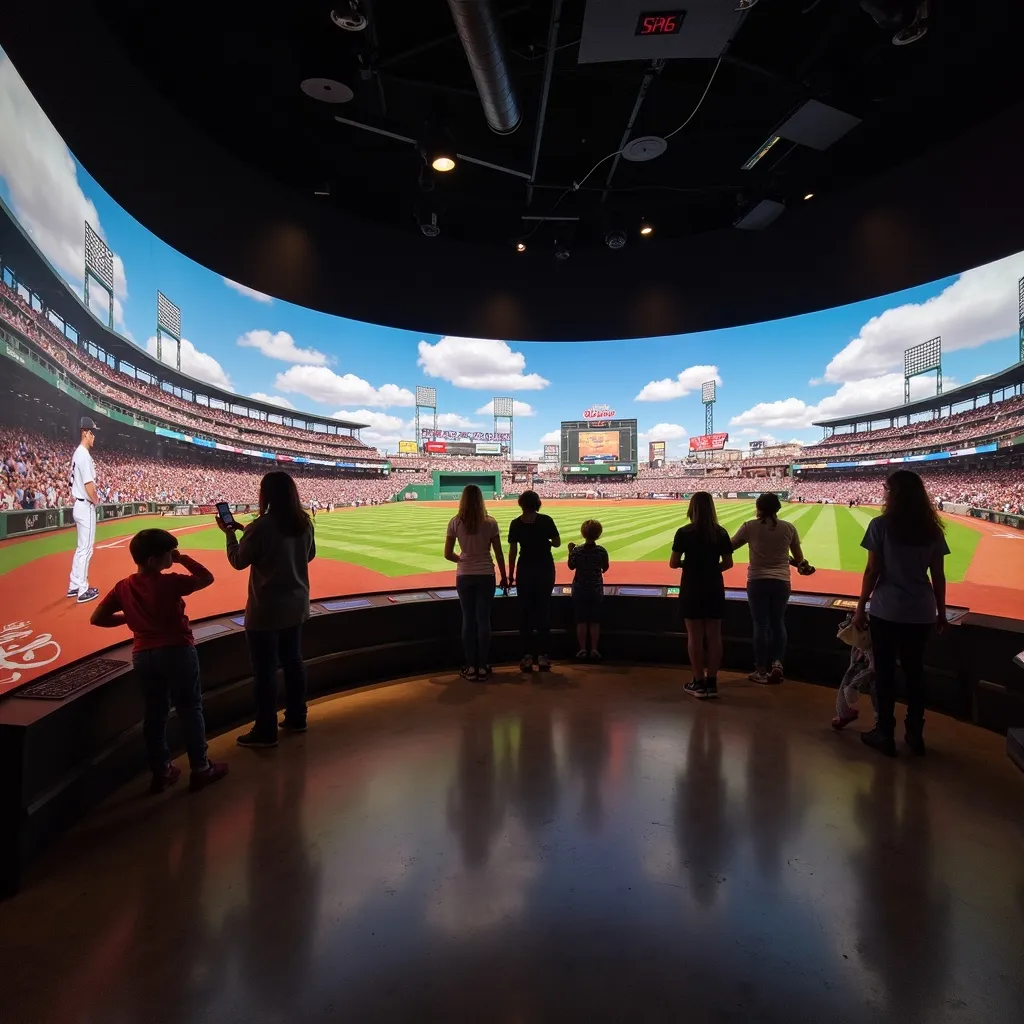
The National Ballpark Museum presents a distinctive perspective into America's baseball legacy. Through its assemblage of memorabilia and presentations, guests can discover the sport's development alongside societal shifts. Legendary jerseys and uncommon pictures tell stories of icons and their impact on the game. As families interact with hands-on displays, they discover how baseball stays intertwined with American culture. What insights might this museum unveil about the future of the sport?
The Abundant Past of Baseball in America
Baseball, typically referred to as America's cherished sport, has a colorful past that helps define the social identity of the nation. Taking shape in the mid-1800s, the sport swiftly gained traction, illustrating the social movements and local identities of the moment. The development of structured professional leagues reshaped baseball into a mainstay of American entertainment, with the National League forming in 1876 and the American League following in 1901.
Major events, such as the incorporation of baseball in 1947 with Jackie Robinson, represented significant cultural shifts, defying social norms and advancing civil rights. The game has also seen legendary figures, from Babe Ruth to Hank Aaron, whose impacts echo beyond the diamond. Historic ballparks have hosted countless unforgettable moments, fostering a communal experience for fans. Overall, baseball functions as a reflection of American history, encapsulating triumphs, struggles, and the enduring spirit of a nation united by its devotion for the game.
Legendary Baseball Memorabilia You Shouldn't Miss
While recollections of legendary games and historic moments remain in the minds of fans, celebrated baseball collectibles works as material links to National Ballpark Museum activities the sport's distinguished past. The National Ballpark Museum maintains an impressive collection, highlighting items that embody the essence of baseball's past. Visitors can marvel at vintage uniforms worn by Hall of Famers, each thread telling a story of success and dedication. Autographed baseballs, protected in glass cases, offer glimpses into personal connections between players and fans, while rare photographs immortalize pivotal moments in baseball history.
Among the main exhibits are championship rings, representing the height of success, and antique game passes that transport spectators back to unforgettable games. Each object prompts reflection and regard for the game's transformation. This meticulously assembled collection not only presents the game's milestones but also generates wistful feelings, informing people of the enduring legacy of America's pastime.
Get to Know the Legends: How the Museum Recognizes Baseball Icons
Homage to baseball legends saturates the atmosphere of the National Ballpark Museum, where visitors are encouraged to discover the lives and achievements of the sport's most iconic figures. The museum features captivating exhibits that spotlight the careers of baseball greats, providing artifacts, photographs, and interactive displays that bring their stories to life. Each section is meticulously curated to reflect the unique contributions of players such as Babe Ruth, Jackie Robinson, and Hank Aaron, showcasing their impact both on and off the field.
The museum also holds special events and guest speakers, giving fans opportunities to listen to firsthand accounts and insights from former players and historians. This dedication to honoring baseball icons promotes a deep connection between visitors and the legends who built the game. Through its immersive environment, the National Ballpark Museum guarantees that the legacy of these players keeps inspiring future generations of baseball enthusiasts.
Learn the Ways Baseball Stadiums Have Developed
As baseball has evolved through the decades, its stadiums have transformed considerably to satisfy the evolving demands of fans and players alike. Early ballparks were often basic, with wooden bleachers and limited amenities, constructed mainly to serve the game itself. However, as the sport gained popularity, stadiums began to incorporate more features, such as improved seating arrangements, concessions, and restrooms, enhancing the overall experience.
The deployment of advanced innovations resulted in notable progression, including electronic displays and enhanced audio systems. Aesthetically, stadiums progressed from the uniform, geometric designs to more distinctive, patron-centered formats, forming interactive spaces that reflect local traditions. The boom in business collaborations also influenced architecture, with exclusive suites and luxury seating becoming widespread. Today, stadiums operate as diverse venues, presenting performances and events outside of baseball, underlining their adaptability and relevance to American society. This journey illustrates not simply a sport, but a active community gathering.
Child-Friendly-Entertainment at the National Ballpark Museum
The National Ballpark Museum provides a variety of family-oriented activities that honor the rich history of baseball and its iconic stadiums. Families can enjoy engaging displays that encourage children to engage with the sport's history through hands-on displays. A scavenger hunt throughout the museum motivates young visitors to discover artifacts and learn about legendary players and historic moments.
In addition, the museum organizes educational workshops where children can master their baseball skills, understand the science of the game, and engage in storytelling sessions about famous teams and their achievements. Particular occasions, such as family days, often highlight guest speakers from the baseball community, imparting a personal touch to the experience. With its spirited environment and numerous programs, the National Ballpark Museum nurtures a love for baseball, making it an ideal hub for families looking to connect over America's favorite pastime.
Arrange Your Visit to the National Ballpark Museum
Wondering about how to get the most from a tour to the National Ballpark Museum? Guests are encouraged to look at the museum's official website for current hours and admission fees before arranging their trip. Located in Denver, Colorado, the museum is conveniently accessible via public transportation and offers nearby parking options. It is advisable to dedicate at least two hours to tour the extensive exhibits, which showcase baseball history and memorabilia.
For people seeking a structured tour, the museum provides knowledgeable tours that delve more deeply into the artifacts. Families can enjoy engaging exhibits, making it a memorable outing for all ages. Additionally, guests should reflect on scheduling their arrival to coincide with special events or changing displays for an better experience. Finally, the museum shop provides special mementos for enthusiasts to take home, ensuring that the visit makes a enduring memory.
Commonly Requested Questions
When Is the Museum's Hours of Service?
The museum is available from 10 AM to 5 PM, Tuesday through Sunday. It remains closed on Mondays, allowing staff to care for displays and prepare for the next day's attendees keen to browse its features.
Do You Need to Pay an Entry Cost to Visit the Museum?
The museum requires a reasonable entry fee for entry. Guests can enjoy a extensive array of historical artifacts and exhibits, enhancing their knowledge of the sport's influence on American culture and history.
Can you take escorted tours at the Museum?
Available guided tours at the museum give guests an in-depth experience. Knowledgeable guides discuss observations and stories about the collections, deepening the knowledge of baseball history and its cultural relevance.
Is it Possible to Purchase Keepsakes at the Museum?
Souvenirs are available at the museum. Guests can find an assortment of keepsakes, including apparel, collectibles, and themed products, enabling them to take home a piece of the adventure from their visit.
Is the Museum Mobility Device Accessible?
The museum is wheelchair accessible, guaranteeing that all guests can navigate its displays with ease. Accessible ramps and marked routes are provided, promoting inclusivity and allowing everyone to enjoy the rich history showcased within its walls.